





A Property Owner Guide to Stump Grinding

A stump can look harmless after a tree comes down, but it often becomes the part of the project that keeps causing trouble. It can interfere with mowing, attract insects, create a tripping hazard, and hold up plans for a new lawn, patio, fence, or planting bed. This property owner guide to stump grinding explains what the service involves, when it is worth scheduling, and how to prepare for a professional result.
What Stump Grinding Actually Does
Stump grinding uses a purpose-built machine with a rotating cutting wheel to break the visible stump into small wood chips. Rather than pulling the entire root system from the ground, the operator grinds the stump below grade so the area can be restored for landscaping or regular yard use.
For most residential properties, grinding is the practical choice after tree removal. Full stump excavation can be more disruptive because it removes major roots and leaves a much larger hole. Excavation may make sense when construction requires every root to be removed, but grinding is usually the cleaner, more efficient solution for a finished yard.
The depth of grinding depends on the purpose of the space. A stump in a lawn may be ground several inches below the surface, while a location planned for a driveway, foundation work, or a new tree may need a more specific approach. A professional should discuss the intended use of the area before starting.
When a Stump Should Be Ground
There is no need to wait for a stump to become an eyesore or a problem. Grinding is often best completed soon after tree removal, especially if the property is being cleaned up for sale, landscaping, or seasonal maintenance.
A stump deserves prompt attention when it sits near a walkway, play area, driveway, or mower route. Low stumps are easy to overlook, and they can damage lawn equipment or cause a fall. Stumps also create a place for weeds, fungi, and moisture to collect. As they decay, they may attract ants, termites, beetles, and other insects, particularly when they are close to the home or other wood structures.
Property owners in Bucks, Montgomery, and Chester Counties often schedule stump grinding before installing sod, spreading topsoil, reseeding a lawn, or expanding usable outdoor space. Removing the stump first prevents a new landscape investment from being built around an obstacle that will still need attention later.
The Factors That Affect the Job
Stump grinding is not priced or planned by stump diameter alone. The size of the stump matters, but access, species, root flare, location, and site conditions all affect the work.
A small stump in an open front yard may be straightforward. A similar-sized stump behind a narrow gate, beside a shed, or on a steep slope can require a different machine or more labor. Nearby utilities, irrigation lines, hardscape, fencing, and landscaping also need to be identified before equipment enters the site.
Hardwood stumps, such as oak or hickory, can take longer to grind than softer species. Older stumps may be partly decayed, but they can also contain stones, buried metal, or old hardware that complicates the work. An experienced crew evaluates these conditions rather than promising a one-size-fits-all solution.
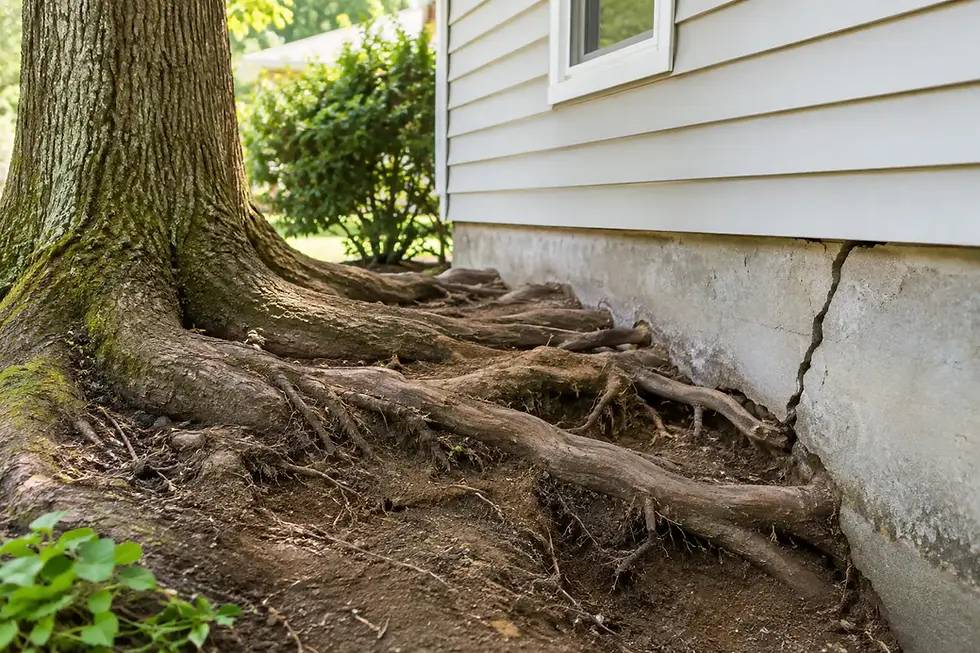
Surface roots are another consideration. Grinding removes the stump and the root flare around it, but it does not eliminate every underground root across the yard. Most remaining roots decay naturally over time. If a large root is lifting a sidewalk, interfering with a planned structure, or creating a visible landscape issue, mention it during the estimate so the work can be scoped correctly.
Preparing Your Property for Stump Grinding
Professional crews handle the specialized work, but a little preparation helps protect the property and keeps the visit efficient. Clear movable items from the work zone, including furniture, planters, toys, hoses, decorations, and vehicles. If the stump is behind a gate or in a side yard, make sure the crew has the access that was discussed during scheduling.
Mark or point out anything that may be hidden near the stump. Irrigation heads, landscape lighting wires, invisible pet fencing, shallow utility lines, septic components, and drainage features should never be assumed to be outside the grinding area. Public utilities should be located through the appropriate notification process before work begins, while privately installed lines may require separate identification.
Grinding produces wood chips and soil debris. The crew can use shields and careful operating practices, but nearby windows, vehicles, delicate plantings, and outdoor furniture deserve extra attention. Let the contractor know if there is a pool, new siding, decorative stone, or another sensitive feature close to the stump.
What Happens to the Mulch and Hole
The material left behind after grinding is a mix of wood chips and soil. It can be useful in some areas of the property, but it is not always the right material to leave where grass will be installed. Fresh stump mulch can settle as it decomposes, and it may temporarily affect the soil balance needed for strong turf growth.
For a lawn restoration, the usual next step is to remove or redistribute excess chips, add quality topsoil as needed, level the area, and then seed or install sod. If the site will become a planting bed, some chips may be used as surface mulch after the area is properly graded. The best plan depends on drainage, sun exposure, and the final landscape goal.
Do not expect the spot to look fully finished the moment the grinder leaves. A properly ground stump is the essential first step, but final grading and lawn repair create the clean result property owners want. Combining stump grinding with topsoil, grass seed, sod, or general cleanup can save time and keep the project moving in the right order.
Why Professional Equipment Matters
Rental stump grinders are available, but they are not a simple weekend tool. They are heavy, powerful machines that can cause serious injury or property damage when used without training. They also may not fit through tight access points or have the power needed for a large, dense stump.
Professional stump grinding crews bring equipment matched to the site, along with the experience to work around structures, utilities, and landscaping. They can assess whether a stump should be ground, excavated, or handled as part of a broader land-clearing project. That judgment matters when the goal is to improve the property without creating a new repair issue.
Hiring a qualified company also gives you a clearer plan for cleanup. Ask what grinding depth is included, whether surface roots are addressed, how chips will be handled, and whether the area can be backfilled or prepared for landscape restoration. Clear answers before the work begins help prevent surprises afterward.
Stump Grinding for Better Use of Your Yard
A stump is more than leftover wood. It takes up usable space and can keep a property from looking maintained, safe, and ready for the next improvement. Whether you are clearing a single backyard obstacle or preparing a larger parcel for new landscaping, stump grinding turns the former tree location into an area you can use again.
Edds Tree Service Inc. can coordinate stump grinding with tree removal, cleanup, land clearing, topsoil, grass seed, and sod-related improvements, so you are not left managing several contractors. Call 267-770-6504 or 267-770-6912 to discuss the stump, access to the site, and what you want the finished area to become.


Comments