





Tree Cutting Versus Removal: Which Do You Need?

A low branch scraping the roof, a tree leaning toward the driveway, or a canopy that has swallowed the backyard can all feel like the same problem. They are not. Tree cutting versus removal comes down to what needs to be corrected: a portion of a living tree, or the tree itself. Choosing correctly protects your home, your budget, and the trees worth keeping.
For homeowners and property owners, the goal is rarely to remove as much as possible. It is to make the property safer, cleaner, and easier to enjoy without creating a bigger issue down the road. A professional assessment looks at the tree's condition, its location, its structure, and what sits beneath it before recommending the right approach.
What Tree Cutting Usually Means
Tree cutting is a broad term, but on a residential property it often refers to trimming, pruning, elevating, or selectively cutting sections of a tree. The tree remains in place. The work is meant to improve clearance, appearance, health, or safety while preserving the value and shade a mature tree provides.
A crew may cut back limbs hanging over a roof, remove dead branches, raise the lower canopy above a walkway, or reduce a branch that is crowding a neighboring tree. These are targeted corrections. Done properly, they leave the tree structurally sound and suited to its space.
When selective cutting is the better choice
Tree cutting makes sense when the trunk and main structure are healthy but certain limbs are causing a problem. A mature oak with a few dead branches over a patio usually does not need to come down. The same is true for a healthy maple whose lower limbs block a driveway or interfere with mowing.
Pruning can also improve airflow and light beneath a dense canopy. That can help turf, gardens, and nearby plantings receive more sun, although too much thinning can stress a tree. The right amount depends on the species, season, age of the tree, and its overall health.
Selective cutting is also useful during property upgrades. If you are adding a fence, installing a shed, refreshing a landscape bed, or preparing for sod, elevating branches may create the clearance you need without sacrificing the entire tree.
Cutting is not the same as topping
Not every kind of cutting is good tree care. Topping, which means cutting large branches back to stubs or making severe cuts across the upper canopy, can weaken a tree and encourage fast, poorly attached regrowth. It may make the tree look smaller for a short time, but it often creates future hazards and a less attractive canopy.
Professional pruning uses appropriate cuts at branch junctions and follows the tree's natural structure. The result should look balanced rather than chopped back. This matters most near homes, sidewalks, play areas, and streets, where weak regrowth can become a safety concern.
When Full Tree Removal Is the Safer Answer
Tree removal means taking down the full tree, generally section by section when it is close to a house, utility lines, fences, or landscaping. It is recommended when the tree is dead, severely declining, structurally unsound, or simply unsuitable for the location.
A dead tree may stand for months or years, but it does not become safer with time. Wood weakens as it decays, limbs break without warning, and the trunk can fail during high winds, heavy rain, or snow. Trees with major trunk cavities, extensive storm damage, significant root problems, or a pronounced lean may also need removal after a professional inspection.
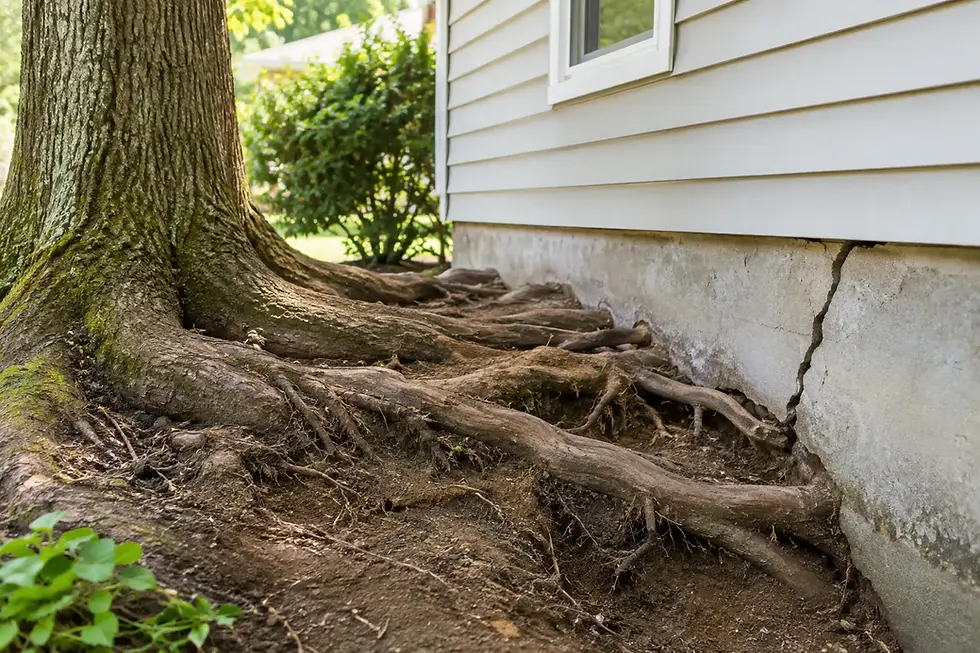
Location can change the decision. A healthy tree growing too close to a foundation, pressing against a roofline, or interfering with a planned driveway may be a long-term problem even if it is not currently failing. In those cases, removal can prevent recurring pruning costs and reduce the risk of property damage.
Tree Cutting Versus Removal: The Factors That Decide
The visible issue is only one part of the decision. A branch over a roof might be solved with pruning, but the same branch on a tree with a split trunk points to a larger structural concern. A qualified tree care professional considers the full picture before recommending work.
Tree health and structure
Dead limbs, sparse leaves, fungus at the base, bark loss, cracks, cavities, and insect damage can signal decline. None of these signs automatically means removal, but together they may indicate that the tree cannot safely remain in place.
Structure is equally important. A tree with multiple upright stems joined by a narrow, weak connection may split under load. Large limbs extending heavily to one side can create imbalance. Root damage from construction, compacted soil, or repeated flooding can make a tree unstable even when its canopy still looks green.
Risk to people and property
A declining tree in the far corner of a large wooded lot may be monitored differently than the same tree above a bedroom, garage, pool, or neighbor's fence. The higher the target beneath a tree, the more urgent the decision becomes.
Removal is often the responsible choice when a tree could strike a structure or block access during a storm. Selective cutting may be enough when the risk is limited to manageable branch clearance. The key is avoiding guesswork, especially after severe weather or when a tree suddenly changes its lean.
Your plans for the property
Land use matters. A homeowner preserving backyard shade may prefer careful pruning and ongoing maintenance. A property owner preparing a site for an addition, new lawn, drainage work, or landscaping may need one or more trees removed so the project can move forward.
Removal can also be the first step in a complete site cleanup. Once a tree is down, stump grinding can eliminate the remaining obstacle and make the area ready for topsoil, grass seed, sod, mulch, or new plantings. Leaving the stump is possible, but it can attract pests, create a mowing hazard, and take years to decay.
What a Professional Job Should Include
The difference between a clean project and a frustrating one is often planning. Tree work requires more than a chainsaw. It requires an understanding of fall zones, rigging, equipment access, overhead obstacles, and how to protect lawns, driveways, roofs, and surrounding plantings.
For a routine pruning job, that may mean controlling each limb as it is removed and cleaning up all brush. For a large removal, crews may dismantle the tree in sections, lower pieces by rope, use specialized equipment, and coordinate debris removal. The right method depends on the tree's size, condition, and location.
Ask what is included before work begins. Confirm whether brush and wood will be hauled away, whether logs can be left for firewood, and whether stump grinding is part of the scope or a separate service. Clear expectations prevent surprises once the tree is on the ground.
It is also wise to ask about permits, especially if the tree is near a public right-of-way, protected area, or utility line. Utility-line work should never be treated as ordinary pruning. If branches are near energized lines, the work must be handled through the proper process by qualified professionals.
Timing Matters, but Safety Comes First
Many pruning projects are scheduled during dormant seasons because branch structure is easier to see and certain trees respond well to winter pruning. However, dangerous limbs and failing trees should not wait for the ideal season. If a branch is cracked above your roof or a dead tree is leaning toward the driveway, prompt action is more important than the calendar.
Storm damage also deserves quick attention. Do not stand beneath hanging limbs or try to pull down a partially fallen tree yourself. Tensioned branches and uprooted root balls can shift suddenly. Keep people and pets clear, then arrange a professional evaluation.
Make the Choice That Solves the Real Problem
Keeping a healthy tree through skilled pruning can preserve shade, curb appeal, and long-term value. Removing a hazardous or poorly located tree can protect your home and open up the property for better use. Neither option is automatically better - the right choice is the one supported by the tree's condition and your plans for the space.
For property owners in Bucks, Montgomery, and Chester Counties, Edds Tree Service Inc. can evaluate the situation, complete careful cutting or removal, and help prepare the area for what comes next. To discuss a tree on your property, call 267-770-6504 or 267-770-6912. A clear recommendation now can prevent an urgent problem later.


Comments