





Best Time for Tree Pruning in Pennsylvania

A branch hanging over a driveway after a summer storm cannot wait for the calendar. But for routine maintenance, choosing the best time for tree pruning can make a real difference in how a tree heals, grows, flowers, and handles the next season. For most mature shade trees in Pennsylvania, the right window is during winter dormancy, usually from late fall through early spring.
Timing is only one part of responsible tree care. The tree species, its condition, the reason for pruning, and nearby homes, utility lines, vehicles, and walkways all matter. A professional assessment helps ensure the work improves the tree and protects your property rather than creating a new problem.
Best Time for Tree Pruning: Late Fall Through Winter
Most deciduous trees are best pruned after their leaves have dropped and before buds begin opening in spring. In Bucks County, Montgomery County, and Chester County, that often means late November through March, depending on weather and the species involved.
During dormancy, a tree is not actively putting energy into leaf production or new growth. With the canopy bare, arborists can see the branch structure clearly and identify dead, crossing, weak, or poorly attached limbs. Cuts made during this period generally place less stress on the tree, and there is less chance of spreading certain insects or diseases that are more active in warm weather.
Winter pruning also tends to be more efficient for larger trees. Access is often easier when leaves and dense undergrowth are gone, and there is less risk of damaging surrounding gardens, lawn areas, and ornamental plantings. For property owners planning spring landscaping, it is a practical time to handle pruning, removal, stump grinding, or cleanup before outdoor projects begin.
That does not mean every tree should be pruned on the same day of the year. Severe cold, frozen ground conditions, active disease concerns, and tree-specific growth patterns can affect the plan. The goal is not simply to cut branches in winter. It is to make the right cuts at the right time for that particular tree.
When Tree Pruning Should Not Wait
Safety takes priority over seasonal timing. A damaged or hazardous tree should be inspected promptly, whether it is January or July. Waiting for dormancy can allow a manageable concern to become property damage or an injury risk.
Call for professional tree pruning or removal when you notice:
A cracked, split, broken, or hanging limb over a roof, driveway, sidewalk, play area, or parking space.
Dead branches, especially in the upper canopy where they can fall without warning.
Branches rubbing against a roof, siding, chimney, or utility service line.
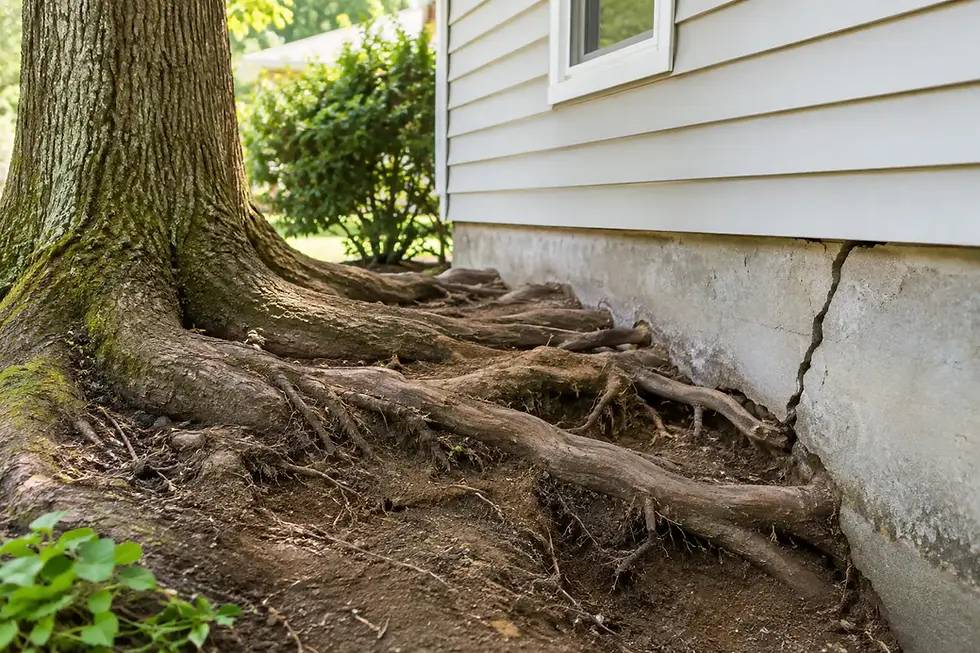
A tree that suddenly leans, develops a fresh trunk crack, or has soil lifting around its base.
Storm damage, lightning damage, or limbs pulled down by snow and ice.
Emergency pruning is different from routine shaping. The immediate job is to remove hazards and stabilize the situation while preserving as much healthy structure as possible. Large limbs, trees near power lines, and storm-damaged canopies require trained crews, proper equipment, and a controlled work area. These are not conditions for climbing a ladder with a saw.
Pruning Timing Depends on the Type of Tree
Shade Trees and Mature Hardwood Trees
Oak, maple, ash, elm, sycamore, and many other common shade trees usually respond well to dormant-season pruning. This is the ideal time to remove deadwood, reduce crowded limbs, improve clearance over structures, and correct weak branch structure before it becomes more serious.
Some species need added attention. Oaks, for example, are often best pruned during colder weather to help reduce exposure to disease-carrying insects. An arborist can recommend the appropriate window based on the tree's health and local conditions.
Flowering Trees
The best pruning time for flowering trees depends on when they bloom. Trees that flower early in spring, such as dogwood, magnolia, redbud, and some cherries, set their buds well before winter. Heavy dormant pruning can remove many of the blooms homeowners look forward to.
For these trees, structural or safety pruning can still happen when needed, but cosmetic shaping is often best completed shortly after flowering. Trees that bloom later in the growing season can usually be pruned during dormancy without sacrificing the next display. The trade-off is simple: pruning at the healthiest structural time may not always preserve the most flowers, so the purpose of the work should guide the schedule.
Fruit Trees and Ornamental Trees
Many fruit trees are pruned in late winter before spring growth begins. Proper thinning can improve air circulation, sunlight exposure, and fruit production. However, fruit tree pruning is specialized work. Cutting too much at once can trigger excessive water sprouts, reduce production, or leave the tree vulnerable to stress.
Small ornamental trees also need a careful approach. Their branches are closer together, their form is more visible, and poor cuts can quickly change the appearance of the yard. A professional can reduce overgrowth without stripping the canopy or leaving large, hard-to-heal wounds.
Evergreens
Evergreens do not follow the same rules as deciduous shade trees. Light maintenance may be possible at different times of year, but aggressive pruning can leave permanent bare areas that do not fill back in. Pines, spruces, arborvitae, and other evergreens each respond differently to cutting.
When evergreens are blocking a view, crowding a home, or growing into a property line, it is especially important to choose a service provider who understands the species. In some cases, selective pruning is appropriate. In others, removal and replacement with a better-sized planting may be the more lasting solution.
Why Over-Pruning Causes Problems
A healthy canopy is not clutter. Leaves produce the energy a tree needs to grow, defend itself, and recover from stress. Removing too much live material at one time can weaken the tree, encourage fast but poorly attached regrowth, and increase exposure to sunscald, pests, and disease.
Topping is one of the most damaging practices. Cutting large branches back to stubs may make a tree look smaller temporarily, but it often leads to weak shoots, decay, and a more hazardous structure over time. Proper pruning uses targeted cuts that respect the tree's natural branch collars and growth pattern.
A good pruning plan focuses on clear goals: removing dead or dangerous limbs, improving structure, reducing interference with buildings, creating clearance, or maintaining the appearance of a tree without compromising its health. Not every tree needs dramatic reduction. Often, selective pruning delivers the safest and best-looking result.
What a Professional Pruning Visit Should Address
Before work begins, the tree should be evaluated from the ground and, when necessary, within the canopy. The crew should consider deadwood, branch unions, trunk condition, canopy balance, disease symptoms, overhead obstacles, access for equipment, and where debris can be safely lowered.
Property protection matters as much as the cut itself. Professional tree work includes planning around roofs, fences, landscape beds, vehicles, utility areas, and neighboring property. The work should also include a clear cleanup plan, whether that means hauling brush away, processing material into mulch, or coordinating additional services such as stump grinding and site cleanup.
For large trees or difficult locations, modern equipment and experienced crews make a meaningful difference. Controlled lowering, proper rigging, and the right machinery help prevent avoidable damage while keeping the job moving efficiently.
Plan Ahead for Healthier, Safer Trees
If your trees look crowded, have dead limbs, or have grown too close to your home, do not wait until the first major storm exposes the problem. Scheduling an inspection during the dormant season gives you more flexibility and can help prevent rushed decisions later.
Edds Tree Service Inc. helps property owners evaluate pruning needs, remove hazardous limbs, and manage complete tree care projects with safety and cleanup in mind. For professional guidance, call 267-770-6504 or 267-770-6912. A well-timed pruning plan protects more than the tree - it helps protect the home, yard, and people beneath it.


Comments